
A resort town that grew up around visitors
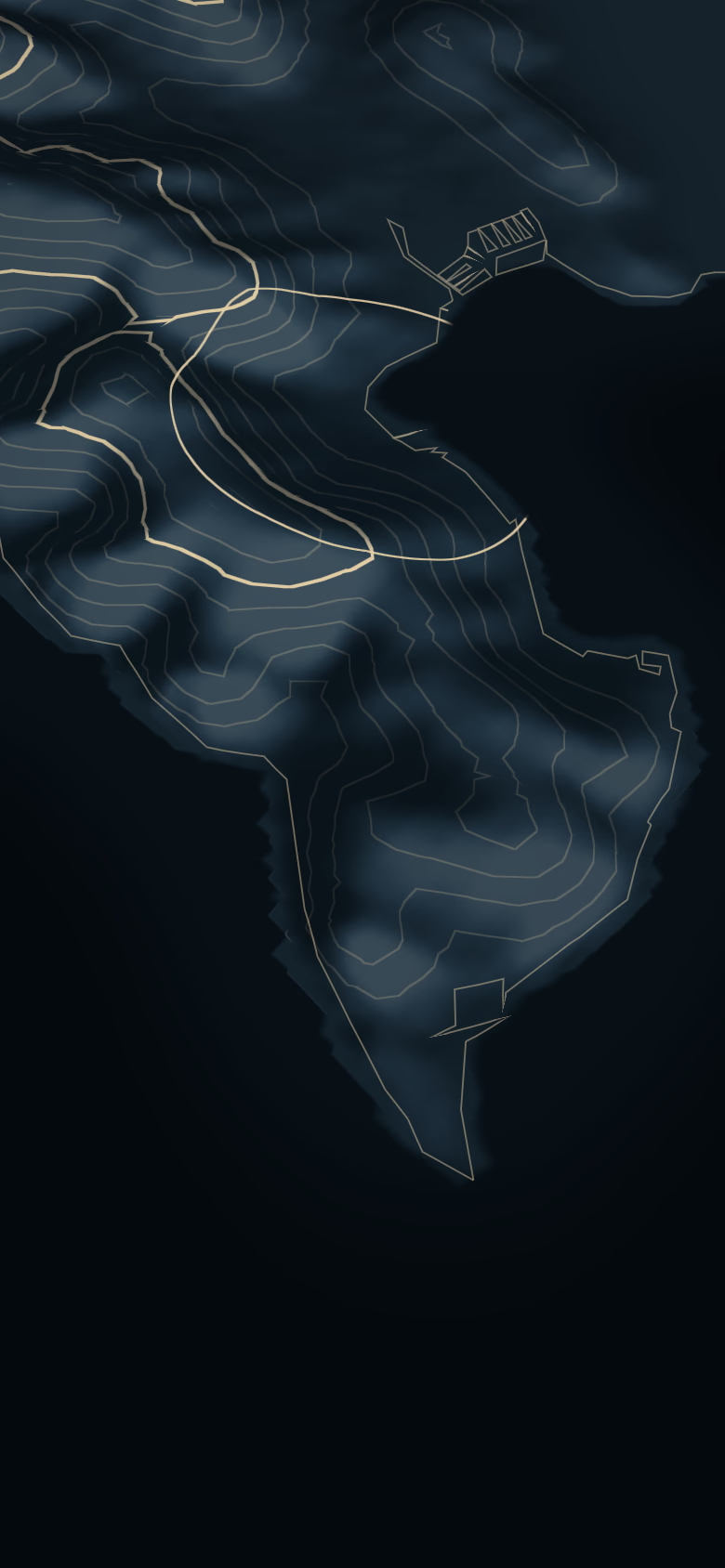
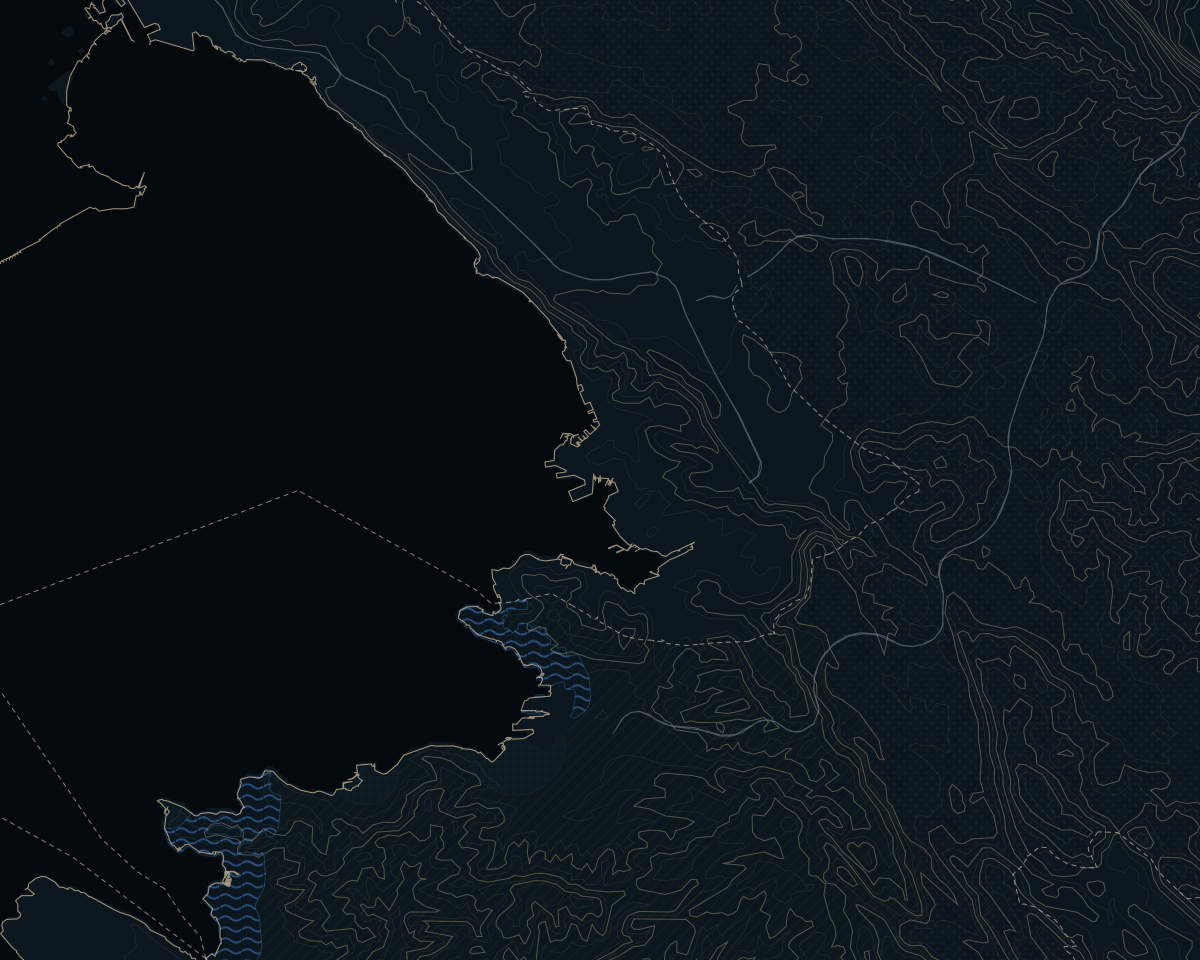
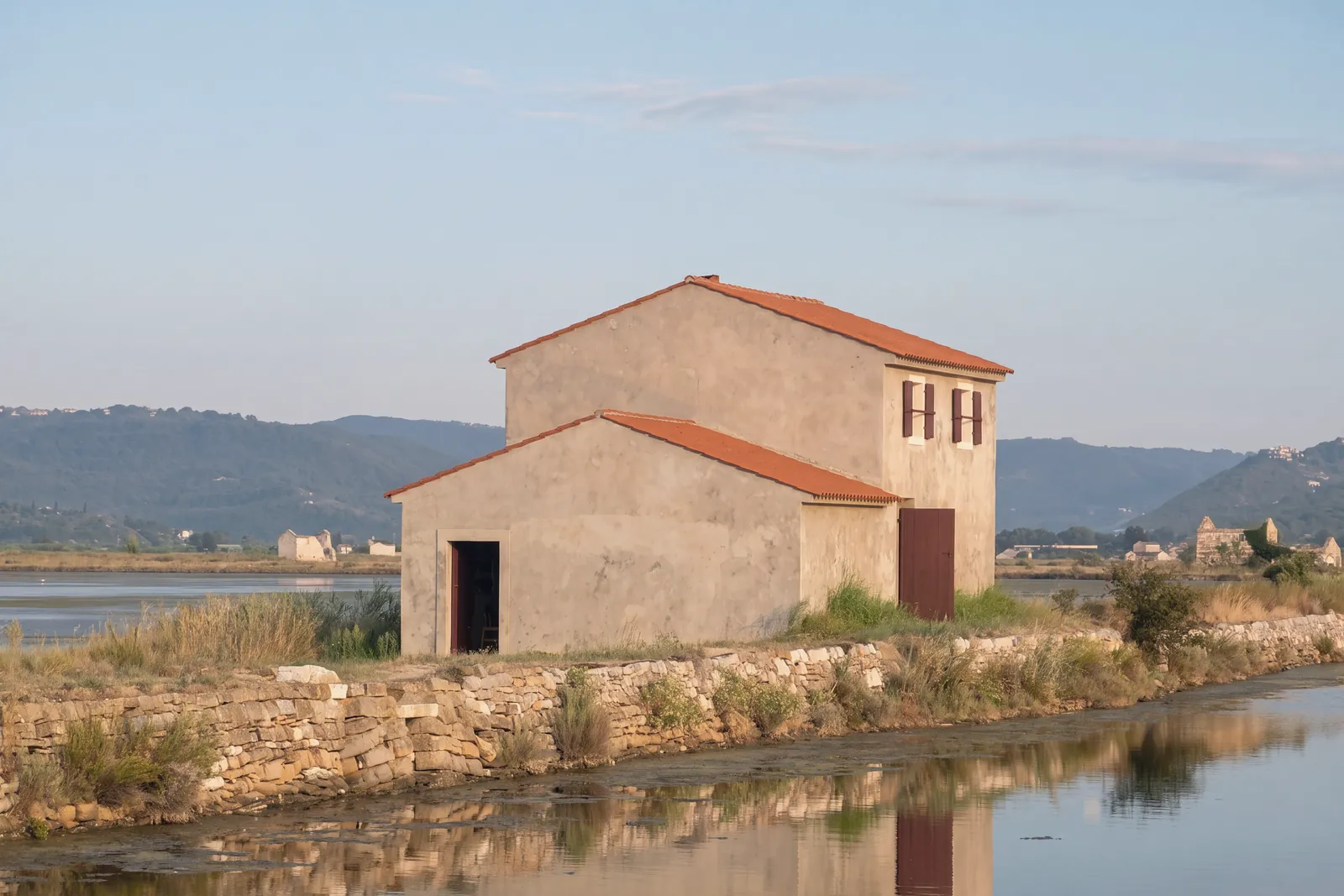
Portorož (Portorose in Italian, an official name in this bilingual municipality) is the resort town of the Slovenian coast. It sits on a bay between the walled peninsula of Piran and the salt pans of Sečovlje. The name has little to do with roses: it comes from a church of Santa Maria della Rosa that stood by the sea in the thirteenth century, at a spot no longer identified, hence Portus Sanctae Mariae de Rosae.
Tourism began in 1885, when the Piran doctor Giovanni Lugnani turned part of a chemical works into an experimental spa. In 1897 Portorož was officially recognised as a health resort, and cures with salt-pan mud and brine are still offered here. The Palace Hotel opened on 20 August 1910, closed in 1990 and reopened in 2008; since February 2026 it has been run by Minor Hotels, which has announced a relaunch under a new name. The casino tradition dates to 1913, though the casino operating today descends from a reopening in 1964.
The municipality of Piran takes the majority of the overnight stays on the Slovenian coast, and among foreign guests Austrians come first, then Germans, then Italians (SURS, 2025). The character follows from that: a flat promenade lined with hotels, spa pools open all year, the only Michelin-starred restaurant of the coastal and karst region (COB, 2026 guide), and the Festival of Slovenian Film in October. So do the limits: crowds and traffic in summer, and summer nightlife that makes noise.
For GURS, the national surveying authority, the Piran–Portorož area is where the most expensive houses on the Slovenian coast are traditionally sold. Houses, not flats: in 2024 and 2025 the highest median for flats was recorded elsewhere on the coast.


.jpg)
.jpg)
.jpg)