Flysch, vines and olives
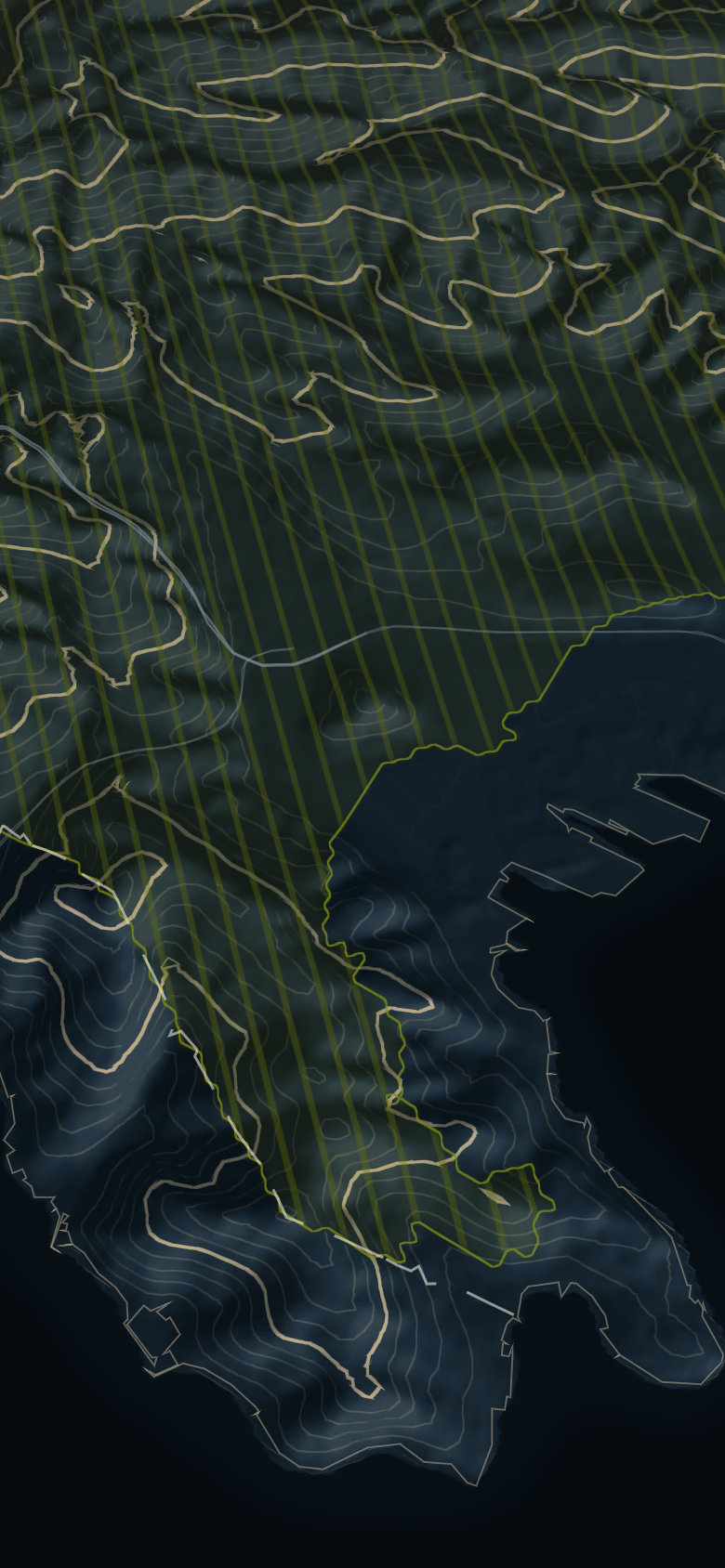
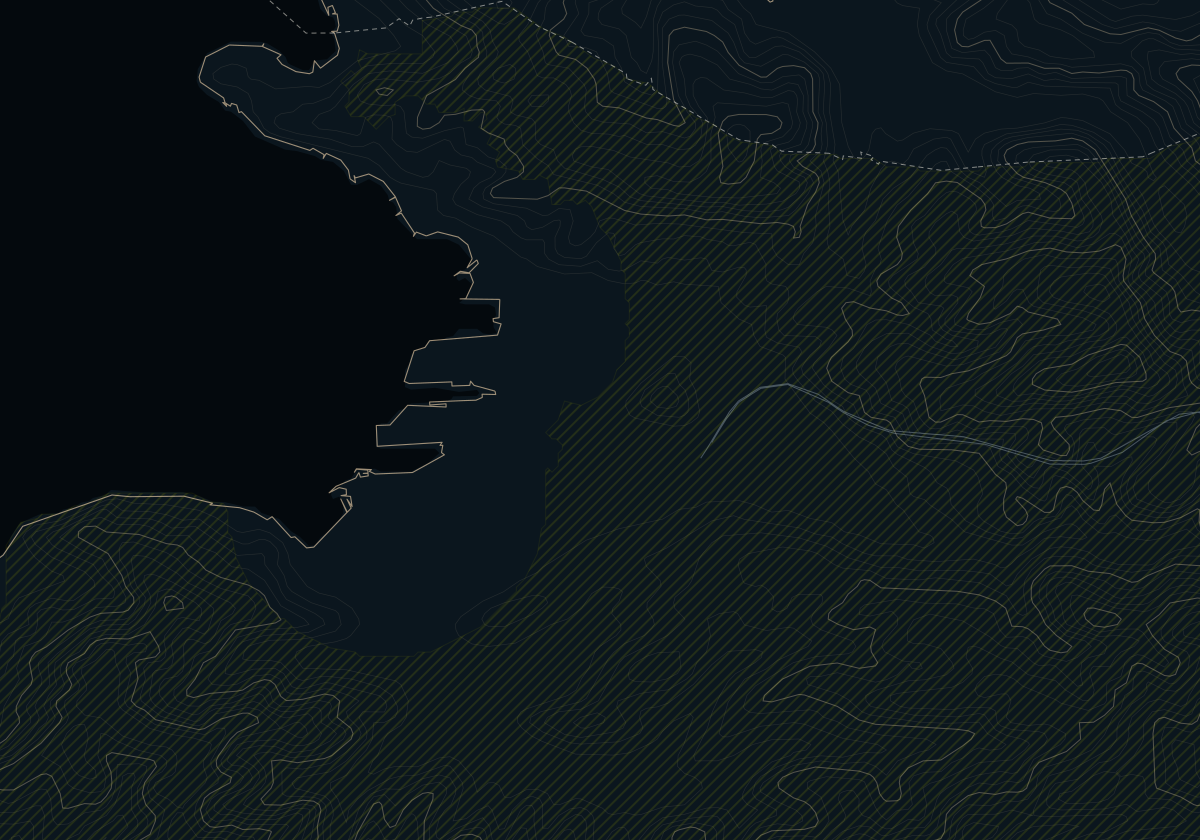
The hills are flysch, layers of marl and sandstone, terraced for vines and olives, under the Kraški rob escarpment where the Karst drops onto Istria; at its foot, Hrastovlje keeps its Dance of Death frescoes of 1490. The name of the Šavrin hills to the south is traced to the Šavrinke, women who carried eggs and farm produce to Trieste, though the etymology is not proven. In the PDO Slovenska Istra refošk is the most planted grape and Istrian malvazija the second; Marezige has held its refošk festival every May since 1972, and Slovenian Istria's extra virgin olive oil has a PDO of its own.
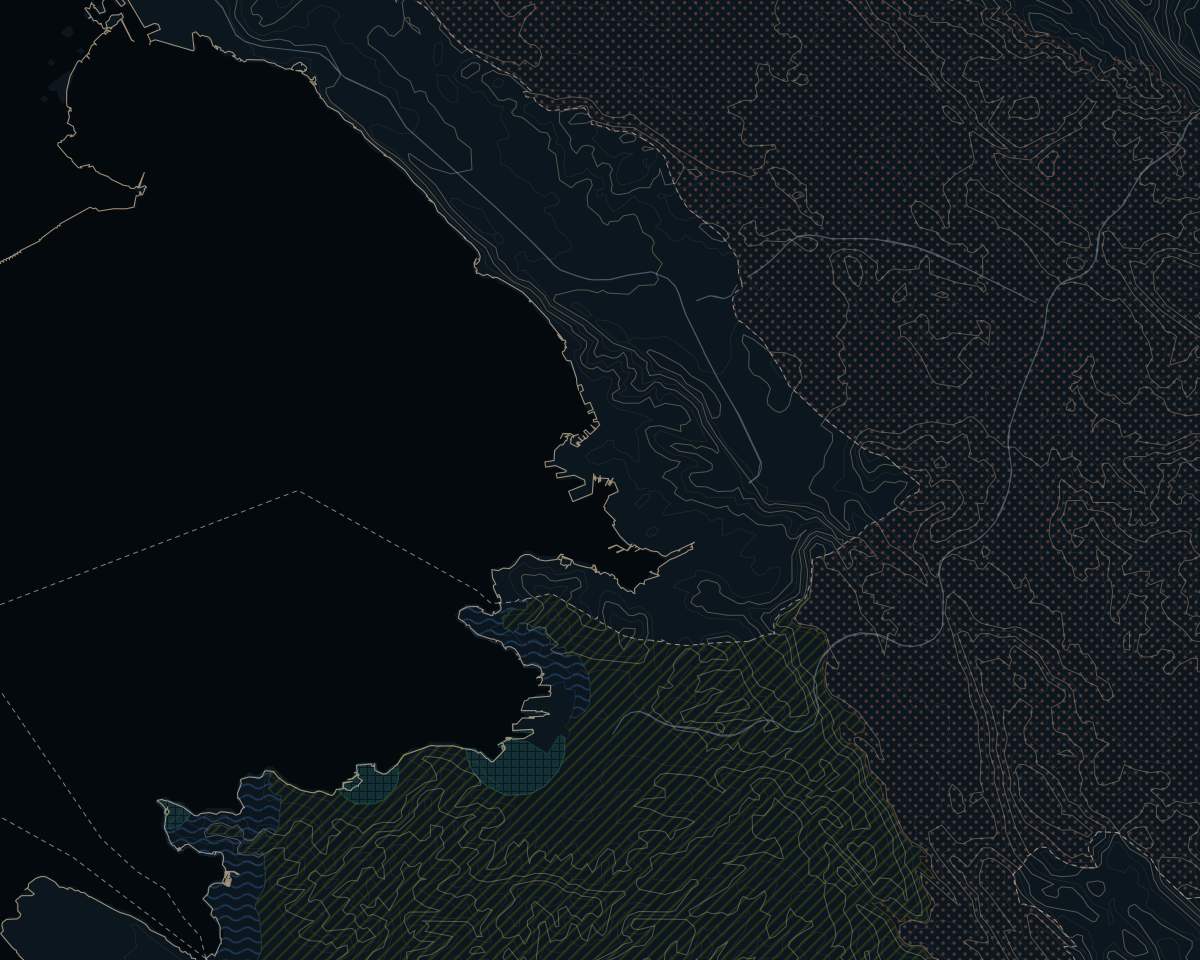
The same soil moves. In our reading of ARSO's national landslide map, most of Kampel, Bošamarin and Manžan, and large parts of Cerej, Črni Kal and Sveti Anton, fall in its two highest classes; Prade and Bertoki barely register. The map is national in scale: it signals a risk, it does not replace a geotechnical survey. Floods come from the valleys: the lower Rižana onto the reclaimed farmland below Bertoki, the Badaševica into part of Vanganel. A cloudburst at the end of August 2025 damaged village roads in Dekani, Sveti Anton, Pobegi, Škofije and elsewhere, and flooded homes.